
Harvest Shared Services Center was formed in 2013 to enact a coordinated and efficient structure for delivering academic personnel, human resources, and payroll services. Whether serving academic or staff employees, our focus is to educate, transact, and enforce the "people-related" policies of the college, the campus, and external agencies. See below for detailed information about the services offered, forms you will need, and specific contacts by department.

Harvest Shared Services Center divisions:
Populations served:

Harvest Services provided:
Academic Personnel
|
Merit & Promotion
|
Academic Personnel Analysis
|
Academic Leave Analysis
|
|---|---|---|
|
Senate Recruitment
|
Non-Senate Recruitment
|
Academic Separation Analysis
|
Payroll
| Full Accounting Unit (FAU) | Salary Cost Transfer (SCT) Transactions | Offboarding & Onboarding Processes | Position Management |
|---|---|---|---|
| Leave Processes | Pay Rate Changes | Additional Compensation Changes | Other Non-FOM Processes |
Human Resources
| Adhoc Reports (as needed) | HR Audits/Data Analyses | Audits of HR Policy Matters | Compliance Training Coordination |
|---|---|---|---|
| HR Professional Development/Training | HR Analysis of Policy | Re-classification & Equity Requests | Staff Recruitments |
UCR News
November 06, 2026
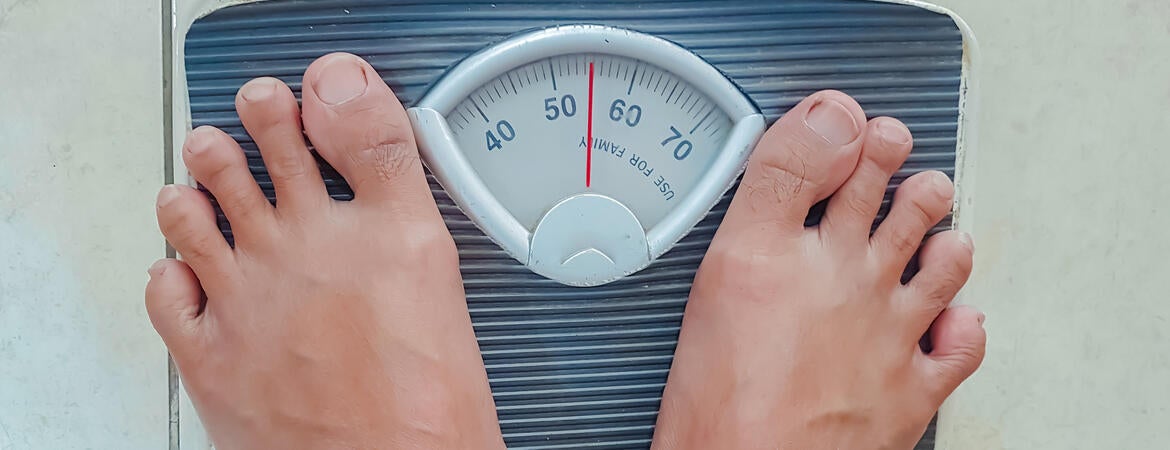
Why obesity affects males and females differently
Sex-specific immune cell behavior in fat tissue points to new approaches for improving metabolic health
November 06, 2026
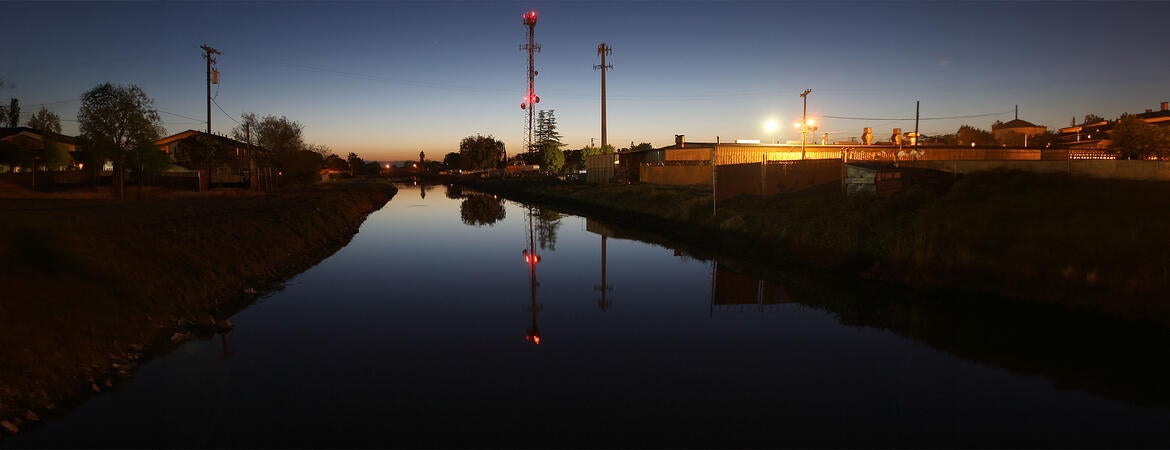
Becerra urged to plan for floods, droughts & water shortages
California’s governor-elect, Xavier Becerra, should make flood and drought preparedness a top priority while protecting aging water infrastructure and replenishing depleted groundwater supplies, according to a new report co-authored by a UC Riverside water expert.

November 04, 2026
Experts discuss the blue wave’s wake
The Tuesday, Nov. 3 mid-term election was historic in many ways.

November 03, 2026
Tijuana River waste is polluting San Diego’s air
Waste dumped into the Tijuana River can travel seven times farther than expected before becoming airborne and polluting San Diego’s air, at least 20 miles from its source, according to new research.